

NE ARIYORSUN?
Kalıp yapım sürecinde, kalıp atıcısının fonksiyonel konfigürasyonu, kum kalıbının dolum kalitesini, boyutsal doğruluğunu ve üretim verimliliğini doğrudan belirler. Farklı konfigürasyon seçimleri, uzun vadeli kullanımda önemli farklılıklar yaratacaktır. Her bir fonksiyonun rolünü ve uygulanabilir senaryolarını anlamak, dökümhanelerin ekipman seçimi veya yükseltmesi yaparken daha rasyonel kararlar vermelerine yardımcı olur.
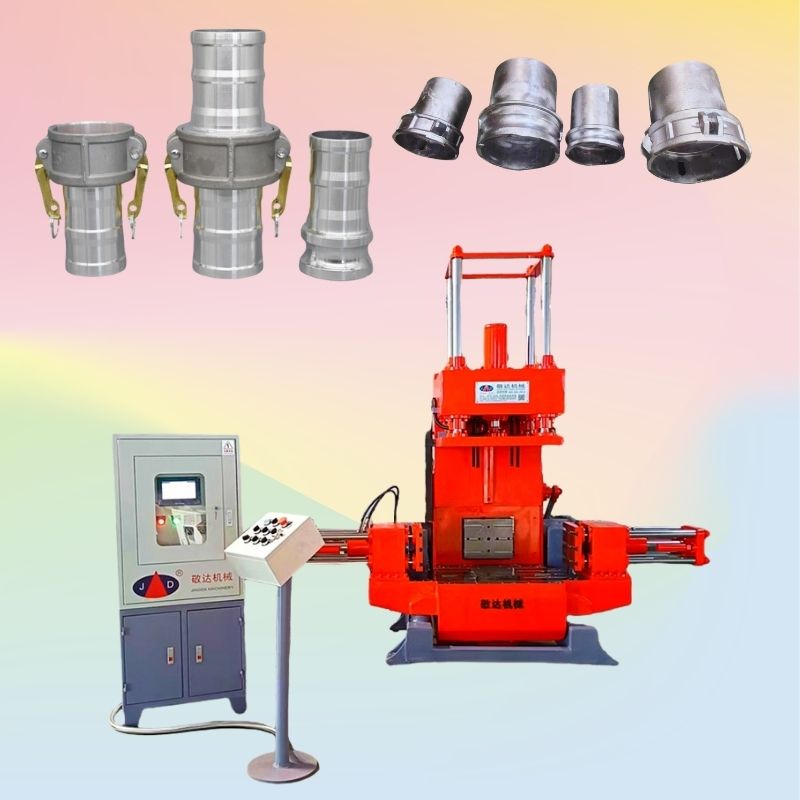
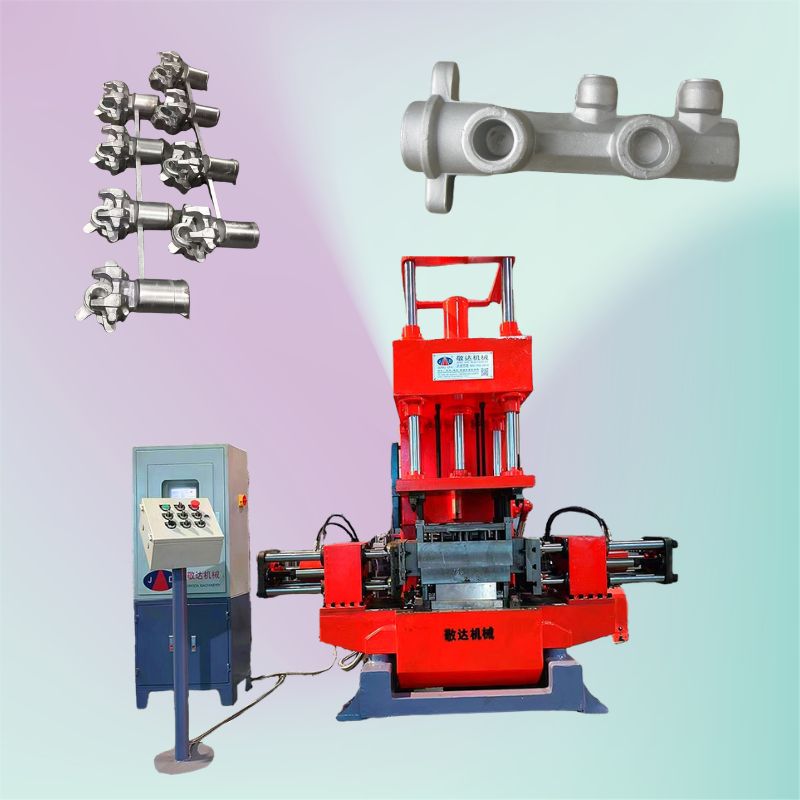
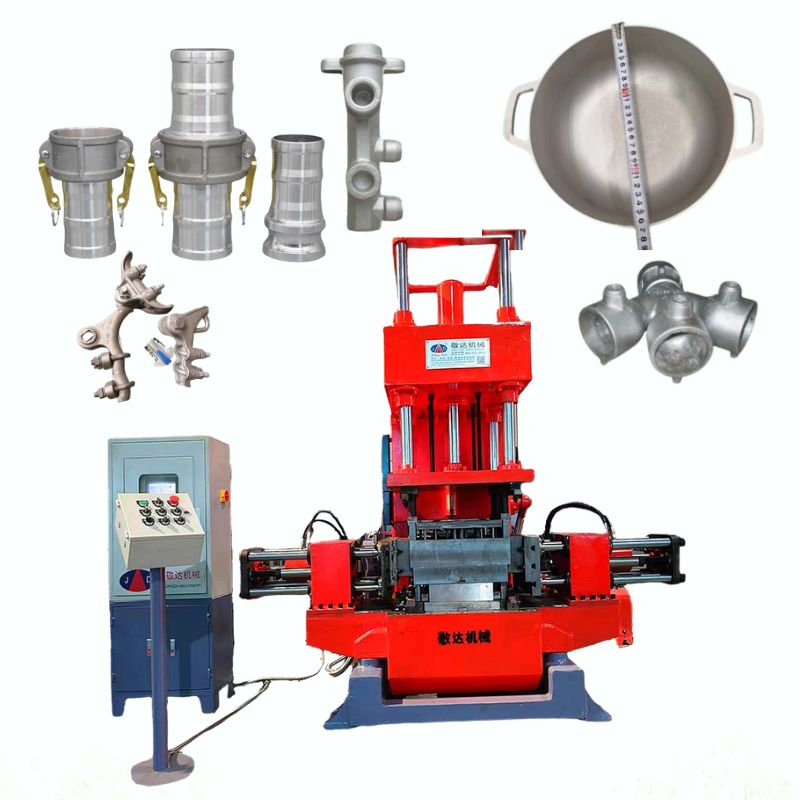
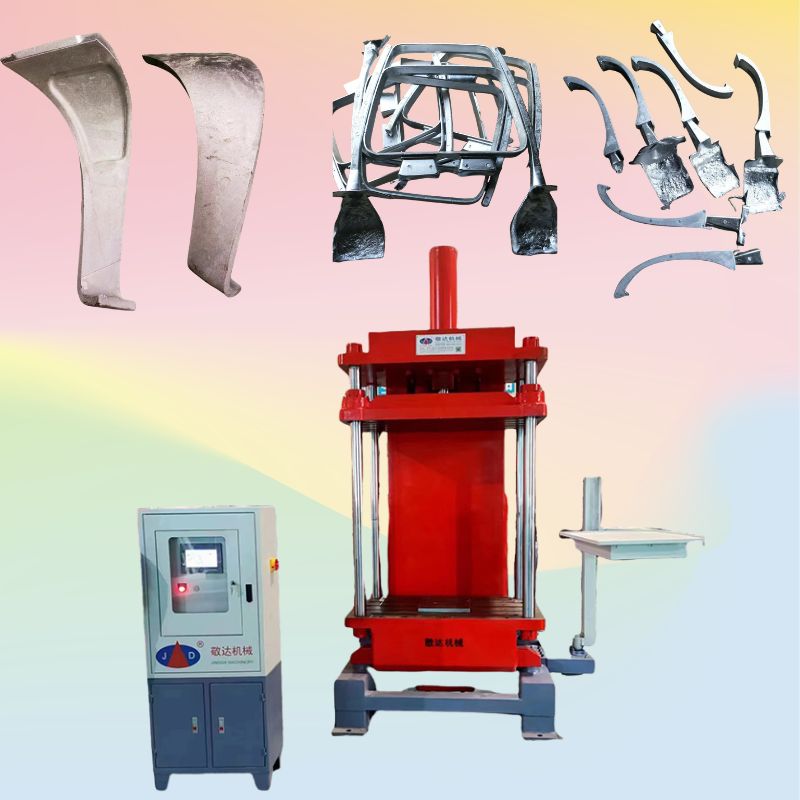
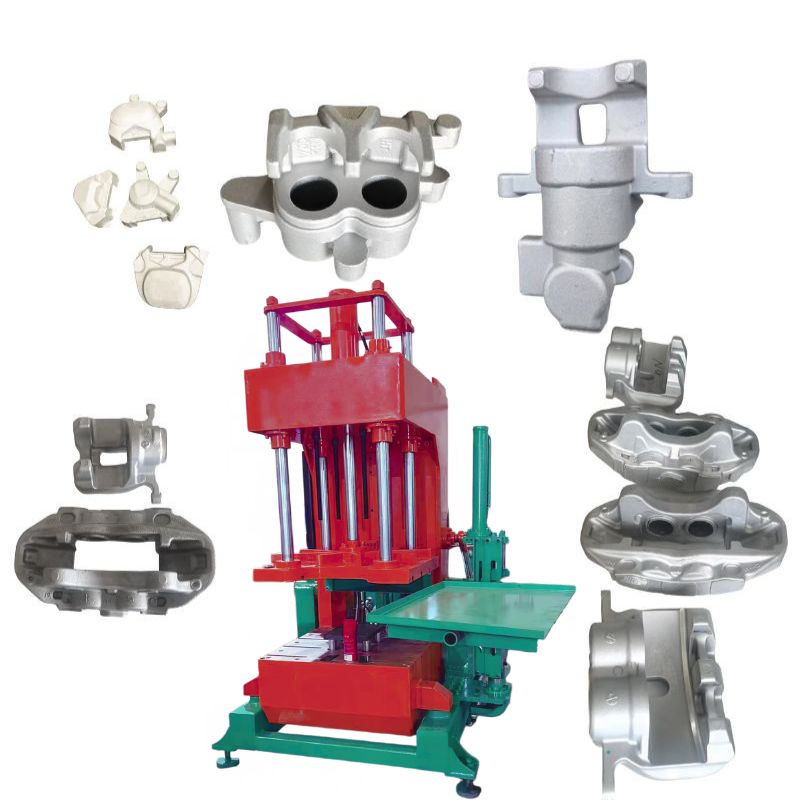
Dökümhane ekipmanları alanında onlarca yıllık deneyime sahip bir kaynak üretici olan Quanzhou Jingda Machinery, ana döküm kalıplarının fonksiyonel tasarımında pratikliğe ve uzun vadeli güvenilirliğe odaklanmaktadır. Aşağıda, günlük üretimde birkaç temel konfigürasyonun pratik değeri açıklanmaktadır.
**Çift Yönlü Kum Atışı: Düzgün Dolumun Yapısal Temeli** Kum atışı yöntemi, kumun karot kutusuna dağılımının yolunu ve düzgünlüğünü belirler. Tek taraflı kum atışı, karmaşık kum karotlarında kör noktaların doldurulmasına kolayca yol açarken, çift yönlü kum atışı bu sorunu yapısal olarak iyileştirir.
**Doldurma Yollarının Tamamlayıcı Kapsamı** Çift yönlü kum püskürtme, kumun çekirdek kutusunun üstünden ve altından aynı anda girmesine ve ortada birleşmesine olanak tanır. Derin boşluklara, dar oluklara veya dikey ince duvarlara sahip kum çekirdeklerinde, her iki yöndeki kum akışları birbirini tamamlayabilir; yapının bir yönde engellediği alanlara diğer yönde yine de ulaşılabilir. Bu tamamlayıcı etki, yerel yetersiz doldurma olasılığını azaltarak kum çekirdeği boyunca daha homojen bir yoğunluk sağlar.
Tek taraflı püskürtme basıncına olan bağımlılığı azaltır. Tek taraflı püskürtme sistemlerinde, distal boşluğun doldurulması genellikle artırılmış püskürtme basıncı gerektirir, ancak aşırı basınç kumun geri tepmesine neden olarak püskürtme nozülüne yakın bölgede daha yüksek yoğunluk ve distal uçta daha düşük yoğunluk oluşmasına yol açabilir. Daha kısa dolum yoluna sahip çift yönlü püskürtme, basınç gereksinimlerini azaltarak kum çekirdeğinde daha homojen bir genel yoğunluk dağılımı ve çekirdek kutusunda daha az darbe aşınması sağlar.
Esnek uygulama seçenekleri sunar. Basit şekilli ve düzgün kesitli kum kalıpları için tek taraflı atış yeterlidir. Karmaşık geometrili kum kalıpları için ise çift yönlü atış daha büyük avantajlar sunar. Zhongzhou Akıllı Ekipman'ın kalıp atıcısı, kum kalıbının özelliklerine göre atış yöntemini seçmeyi destekleyerek dökümhanelerde kullanılmayan fonksiyonlar için gereksiz maliyetleri ortadan kaldırır.
Hava akımıyla ön sıkıştırma: Kumun akışkanlığını etkili bir şekilde iyileştirir. Hava akımıyla ön sıkıştırma, kumun dökümden önce akışkanlaştırılması için basınçlı hava kullanır ve böylece dolgu akışkanlığını artırır. Bu özellik, özellikle düşük akışkanlığa sahip kumlar veya karmaşık geometrilere sahip kum örnekleri için faydalıdır.
Akışkanlaştırma Prensibi ve Dolum Etkisi. Akışkanlaştırılmış halde, kum parçacıkları bir hava filmiyle ayrılır, bu da sürtünmeyi azaltır ve sıvıya yakın bir dolum performansı sağlar. Derin, dar oluklu veya kavisli akış kanallı kum çekirdeklerinde, akışkanlaştırılmış kum, girişte birikmek yerine boşluğun ucuna daha kolay ulaşır. Pratik kullanımda, hava akışı ön sıkılaştırmasının etkinleştirilmesi genellikle kum çekirdeğinin yüzey düzgünlüğünü ve kenar dolgunluğunu iyileştirir.
Farklı Kum Tipleriyle Uyumluluk. Reçine kumu iyi bir akışkanlığa sahip olduğundan, hava akımıyla ön sıkıştırmadan elde edilen kazanç nispeten düşüktür. Kil kumu veya geri dönüştürülmüş kum daha düşük akışkanlığa sahip olduğundan, hava akımıyla ön sıkıştırma daha etkilidir. Zhongzhou Akıllı Ekipman'ın kalıp atıcısı, hava akımıyla ön sıkıştırmayı isteğe bağlı bir fonksiyon olarak sunarak, dökümhanelerin kum özelliklerine ve kalıp kalitesi gereksinimlerine bağlı olarak ön sıkıştırma hava hacmini ayarlayıp ayarlamayacağına karar vermelerini sağlar.
Kullanım Kolaylığı. Hava akışı ön sıkıştırma parametreleri kontrol panelinde ayarlanır ve hata ayıklama işleminden sonra formülün bir parçası olarak saklanır. Bu, sonraki üretim sırasında otomatik olarak geri çağrılır ve operatörlerin her seferinde manuel olarak ayarlama yapma ihtiyacını ortadan kaldırır.
Parametre tabanlı formül depolama: Verimli geçiş ve tutarlı kalite. Çok ürünlü dökümhanelerde, aynı kalıp atıcısının sık sık ürün değiştirmesi gerekir. Farklı ürünler, kum püskürtme basıncı, bekleme süresi, kürleme sıcaklığı ve ayırıcı madde uygulama miktarı gibi farklı parametreler gerektirir. Parametre tabanlı formül depolama fonksiyonu, geçişi daha kolay hale getirir ve insan hatası olasılığını azaltır.
Formül geri çağırma ve parametre yeniden üretimi. Her ürün için işlem parametreleri hata ayıklama işleminden sonra, bağımsız bir formül olarak saklanır. Değişim sırasında, operatör kontrol panelinde ilgili formül numarasını seçer ve ekipman, parametreleri tek tek girmeye gerek kalmadan otomatik olarak yükler. Bu çalışma yöntemi, değişim süresini kısaltır ve aynı ürün her üretildiğinde aynı parametre setinin kullanılmasını sağlayarak kum çekirdeği kalitesinde parti tutarlılığının korunmasına yardımcı olur.
Formül yönetiminde esneklik. Kontrol sistemi, birden fazla formülün saklanmasını destekleyerek dökümhanelerin ürün sayısı ve türüne göre planlama yapmasına olanak tanır. Yeni bir ürün eklendiğinde, mevcut formülün üzerine yazılmadan yeni bir formül hata ayıklanabilir ve saklanabilir. Zhongzhou Akıllı Ekipman'ın kontrol sistemi, formül yönetimi için sezgisel bir arayüz tasarımı kullanır ve operatörlerin temel eğitimden sonra uzmanlaşmasını sağlar.
Tek bir operatöre olan bağımlılık azalır. Parametreler kaydedildikten sonra, farklı vardiyalardaki operatörler aynı formülü kullanabilir ve bu da tutarlı ekipman ayarları sağlar. Bu, operatör deneyimindeki farklılıklardan kaynaklanan kalite dalgalanmalarını azaltır ve yeni operatörlerin daha hızlı öğrenmesini sağlar.
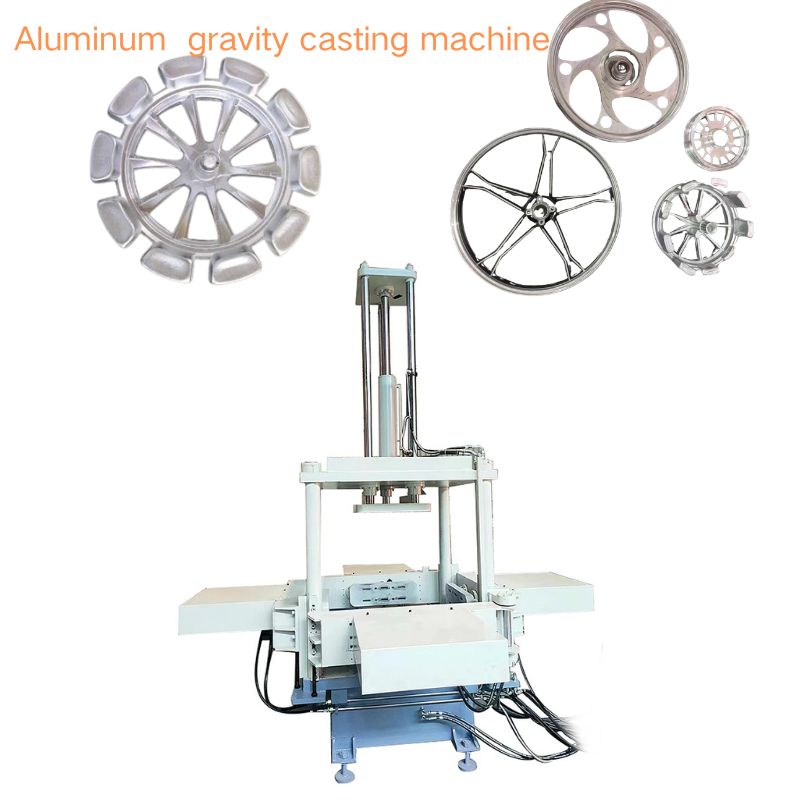
Kaynak Üreticinin Sistematik Yapılandırma Yetenekleri: Kalıp atıcılar, dökümhanedeki kalıplama ve döküm süreçleriyle yakından bağlantılıdır. Kil kum kalıplama makineleri, yerçekimi döküm makineleri ve tam otomatik kalıplama hatları üreten bir kaynak üretici olan Zhongzhou Akıllı Ekipman, tüm üretim hattı sürecine uyum sağlama perspektifinden kalıp atıcı çözümleri konusunda tavsiyelerde bulunur.
Örneğin, kalıp atıcısının çekirdek boyut hassasiyetinin, kalıplama makinesinin kum kalıbının çekirdek başlığı konumlandırma hassasiyetiyle eşleştirilmesi, çekirdek oluşturma çevrim süresinin kalıplama hattı çevrim süresiyle eşleştirilmesi ve kum çekirdek gaz üretim hacminin döküm proses parametreleriyle koordinasyonu. Bu süreçler arası koordinasyonlar tasarım aşamasında dikkate alınarak, ekipman geldikten sonra yerinde devreye alma süresi azaltılır. Aynı üreticiden birden fazla döküm ekipmanı, tutarlı kontrol mantığına ve bakım standartlarına sahip olduğundan, uzun vadeli yönetim maliyetleri daha düşüktür.
Sonuç olarak, çift yönlü kum püskürtme, hava akımıyla ön sıkıştırma, parametre formülü depolama ve otomatik ayırıcı madde püskürtme gibi kalıp atıcıların fonksiyonel konfigürasyonları, günlük kullanım sırasında kalıp yapım kalitesi ve üretim verimliliği üzerindeki etkilerini kademeli olarak göstermektedir. Bu fonksiyonların çalışma prensiplerini ve uygulanabilir senaryolarını anlamak, dökümhanelerin ekipman seçimi veya yükseltmesi yaparken daha rasyonel kararlar almalarına yardımcı olur.
Dökümhane ekipmanları alanında onlarca yıllık deneyime sahip bir kaynak üretici olan Quanzhou Jingda Machinery, müşteri geri bildirimlerini sürekli olarak ürün fonksiyonel tasarımına entegre ederek, ekipmanların dökümhanelerin gerçek üretim ihtiyaçlarına daha uygun olmasını sağlamaktadır.