

NE ARIYORSUN?
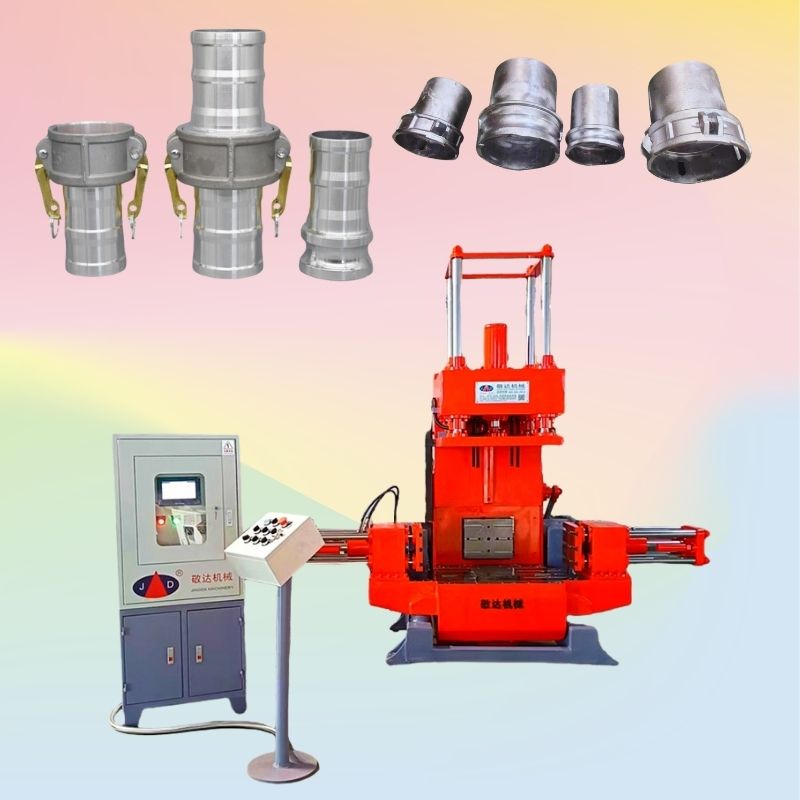
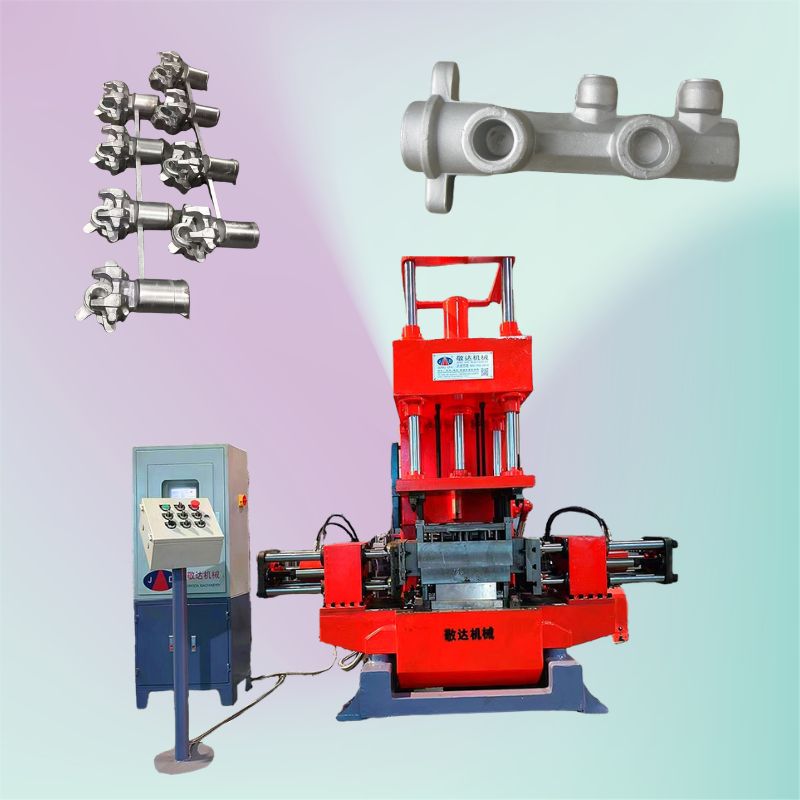
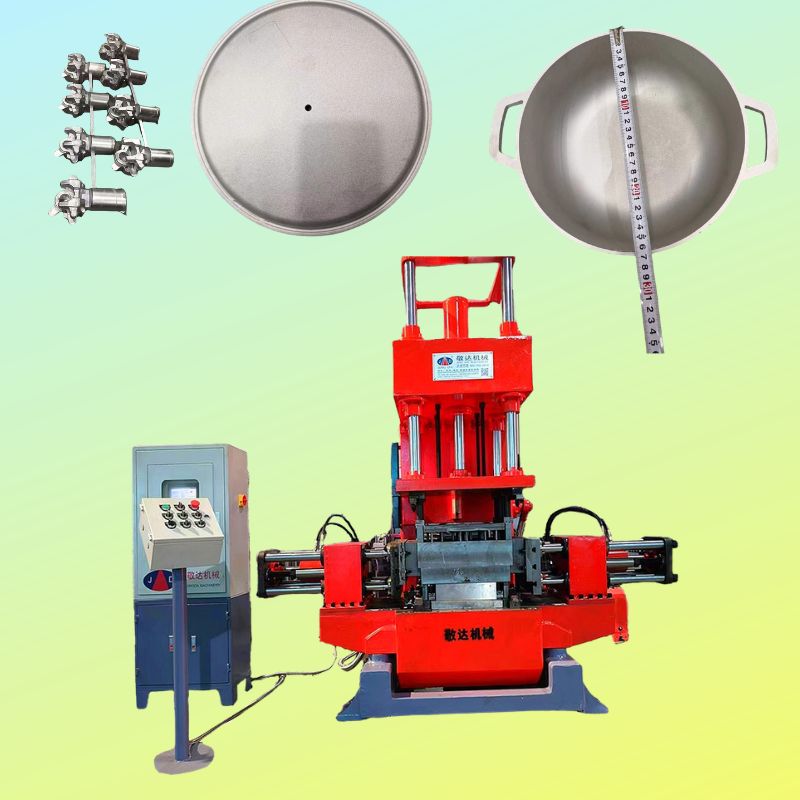
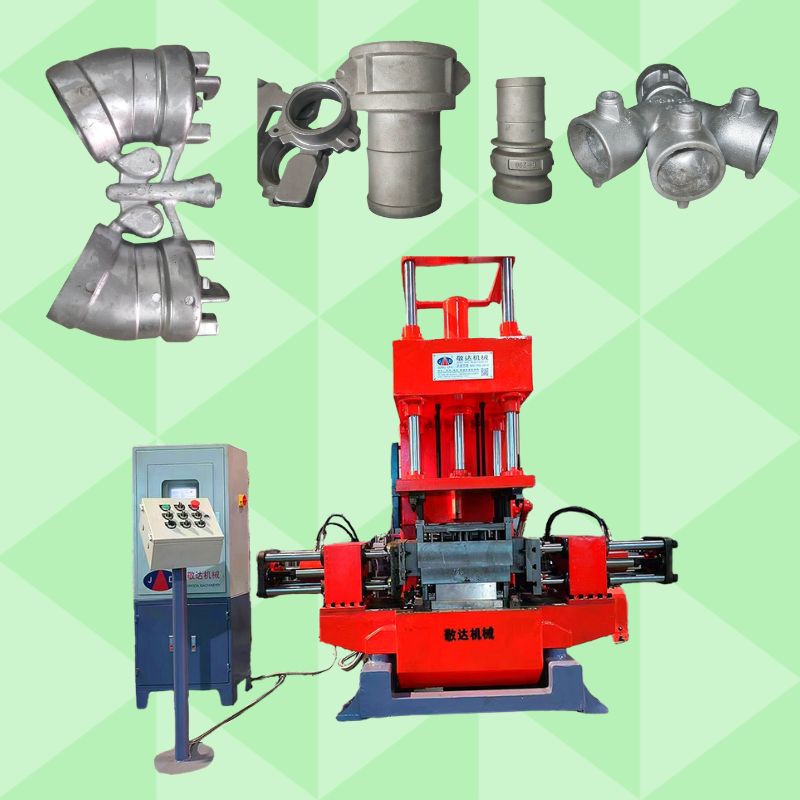
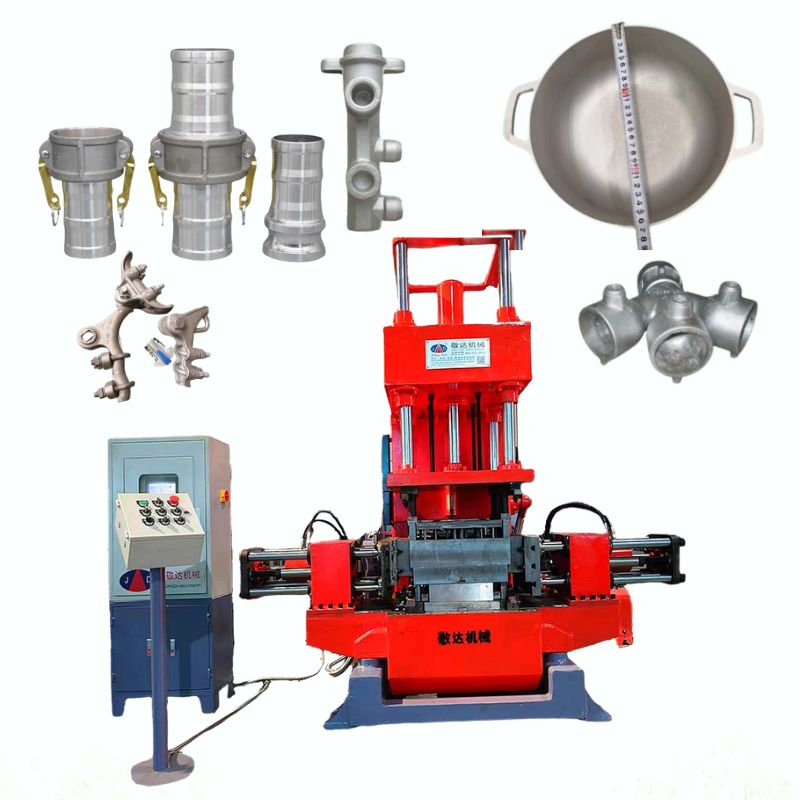
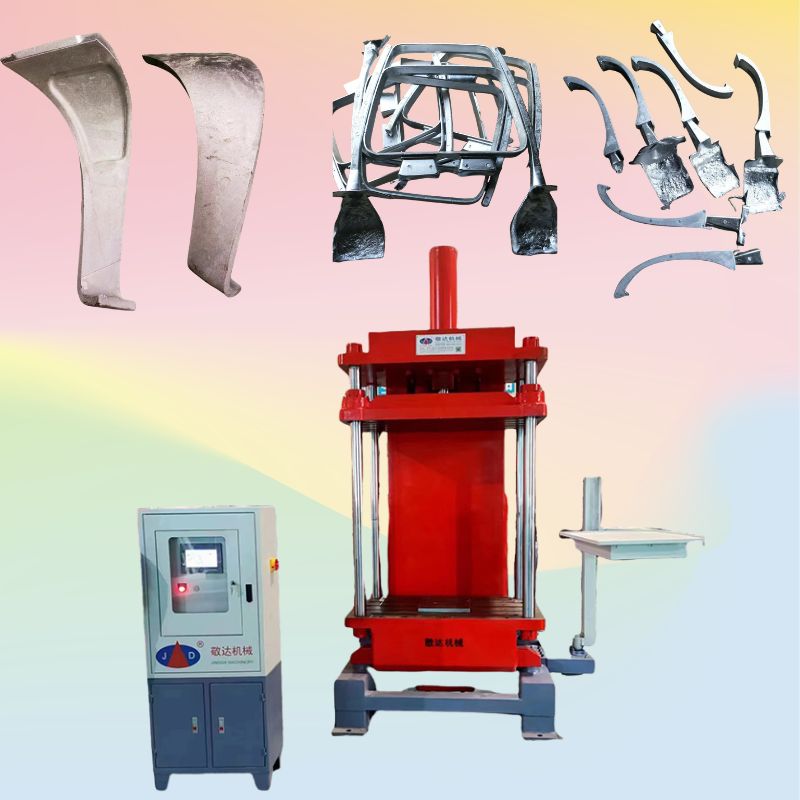
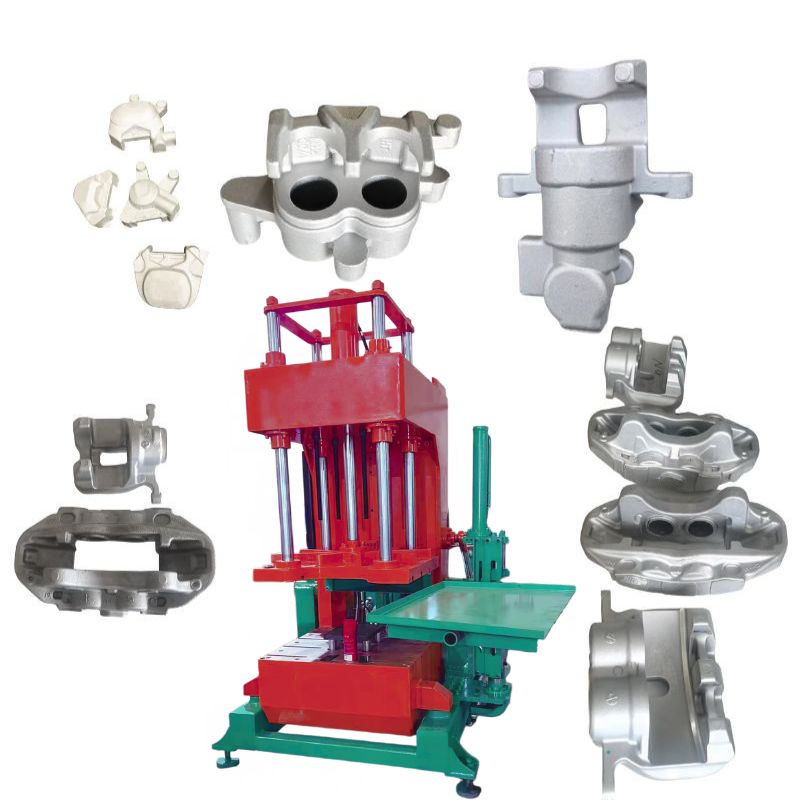
Döküm üretiminde, kum çekirdeğinin kalitesi genellikle dökümün iç boşluklarının başarısını veya başarısızlığını belirler. Kum çekirdeği yeterince sıkıştırılmamışsa, erimiş alüminyum döküm sırasında onu aşındırabilir; yerel gevşek alanlar varsa, dökümün iç boşluğunda istenmeyen çıkıntılar oluşabilir; ve kalıptan çıkarma sırasında mikro çatlaklar oluşursa, bu kusurlar ancak işleme sonrasında keşfedilebilir. Çekirdek yapma makinesi, bu kum çekirdeklerini oluşturmaktan sorumlu ekipmandır.
Dökümhane ekipmanları sektöründe yirmi yılı aşkın deneyime sahip orijinal bir üretici olan Jingda Machinery, bir kalıp makinesi seçmenin ve parametrelerini ayarlamanın kapsamlı bir yaklaşım gerektirdiğini gözlemlemiştir. Kum püskürtme basıncı gibi tek bir ölçütü izole olarak incelemek yerine, kum kalıbının geometrik özelliklerini, üretim hacmini ve yukarı ve aşağı yönlü süreçlerle entegrasyonunu dikkate almak gerekir.
**Kum Sondajının Karmaşıklığı Makine Konfigürasyonunu Belirliyor**
Kum örnekleri çok çeşitli şekillerde olabilir. Bazıları kalın ve düzgün olup kesitlerinde kademeli değişiklikler gösterirken, diğerleri ince duvarlı kanatçıklar, kavisli kanallar veya derin, dar oluklar içerir. Bu değişken geometrik özellikler, kum doldurma işlemine farklı gereksinimler getirir.
Büyük ve kalın kum karotlarında en büyük zorluk, karot sıkıştırmasının sağlanmasıdır. Karot kutusu doldurulduktan sonra, sıkıştırma enerjisi tüm kesite nüfuz etmek için yetersiz kalırsa, karotun içi gevşek kalabilir ve bu da taşıma ve döküm sırasında sorunlara yol açabilir. Karmaşık, ince duvarlı karotlar için zorluk, dolgu bütünlüğünde yatmaktadır; özellikle hava akışının genellikle atladığı "kör noktalarda" kumun kürleşmeden önce karot kutusunun her köşesine ulaşmasını sağlamak gerekir.
Pratikte, hava akımıyla ön sıkıştırma ve çift yönlü kum püskürtme gibi özellikler, karmaşık kum örnekleri için vazgeçilmez hale gelir. Hava akımıyla ön sıkıştırma, kumun örnek kutusuna girmeden önce akışkanlığını artırarak akışkanlığı iyileştirirken, çift yönlü püskürtme ise kumu aynı anda iki yönden enjekte ederek tek taraflı doldurmada oluşabilecek kör noktaları en aza indirir. Bunun aksine, basit şekillere ve düzgün kesitlere sahip kum örnekleri için temel konfigürasyonlar genellikle yeterlidir.
**Kum Atış Parametreleri: Kum Türüne ve Karot Kutusuna Göre Ayarlama**
Farklı kalıplama kumları, belirgin akış özelliklerine sahiptir. Kil bağlayıcılı kum, reçine bağlayıcılı kum ve kabuk kalıplama kumu, kum püskürtme işlemi sırasında farklı davranır. Reçine kumu iyi akışkanlık sunar ancak kısa bir kürlenme süresine sahiptir ve kum püskürtme basıncı ile zamanlaması arasında hassas bir koordinasyon gerektirir; buna karşılık, kil kumu maliyet açısından daha uygundur ancak nispeten daha zayıf akışkanlığa sahiptir ve biraz daha yüksek püskürtme basıncı veya hava akışı desteği gerektirir.
Kalıp kutusu malzemeleri ve tasarımı da parametre ayarlarını etkiler. Metal kalıp kutuları ısıyı hızla ileterek kum kalıbının kürlenmesini hızlandırır ve daha hızlı bir çalışma temposu gerektirirken, plastik veya ahşap kutular ısıyı yavaş ileterek daha uzun kürlenme sürelerine neden olur. Kalıp kutusu havalandırmasının tasarımı, döküm işlemi sırasında gazın sorunsuz bir şekilde dışarı atılması için kritik öneme sahiptir; yetersiz havalandırma, kum dolumunu engelleyen yerel geri basınç oluşturur.
Jingda Machinery'nin temel püskürtme sistemleri, püskürtme basıncı, bekleme süresi ve ayırıcı madde püskürtme hacmi gibi parametre ön ayarlarının saklanmasını destekler. Operatörler belirli bir ürün için en uygun parametre kombinasyonunu belirleyip kontrol sistemine kaydettikten sonra, bu ayarlar gelecekteki üretim süreçleri için doğrudan geri çağrılabilir. Bu, ürün değişiklikleri sırasında kurulum süresini azaltır ve tek bir yüksek vasıflı operatöre olan bağımlılığı düşürür.
Çekirdek Üretimi ve Bitişik Süreçler Arasındaki Bağlantı
Kalıp çekirdeği atıcıları dökümhanede tek başına çalışmaz; yukarı akış kum işleme ve aşağı akış kalıplama ve döküm işlemlerine bağlıdırlar. Kum çekirdeğinin boyutsal doğruluğu, kalıplama hattında üretilen kalıp boşluklarıyla uyumlu olmalıdır: çekirdek izinde aşırı boşluk, döküm sırasında hassas olmayan konumlandırmaya ve potansiyel kaymaya yol açarken, yetersiz boşluk kalıp kapatmayı zorlaştırır ve çekirdeğin ezilme veya çatlama riskini artırır.
Kum kalıbından çıkan gazın döküm işlemiyle de uyumlu olması gerekir. Yüksek sıcaklıktaki erimiş alüminyum, kalıbın gaz salmasına neden olur; eğer havalandırma kanalları kötü tasarlanmışsa veya döküm hızı aşırıysa, gaz dışarı çıkmadan önce dökümün içinde hapsolabilir ve gözeneklilik kusurlarına yol açabilir.
Kil kum kalıplama makineleri, yerçekimi döküm makineleri ve tam otomatik kalıplama hatları üreten orijinal bir üretici olarak Zhongzhou Akıllı Ekipman, müşterileri için çekirdek atıcıları yapılandırırken bu süreçler arası ilişkileri dikkate alır. Çekirdek yapımı, kalıplama ve döküm süreçlerindeki parametrelerin birleşik bir teknik çerçeve içinde koordine edilmesi, her aşama için ayrı ayrı ekipman seçmekten çok daha kolay bir şekilde sorunsuz hat entegrasyonu sağlar. Günlük Çalışma İçin Önemli Hususlar
Yerinde servis hizmetimiz sayesinde, temel atış makinelerinin istikrarlı çalışmasına katkıda bulunan birkaç ortak faktör belirledik:
• Karot Kutusu Bakımı: Uzun süreli kullanım, karot kutusu boşluğunda artık kum ve ayırıcı madde birikmesine yol açarak boyut doğruluğunu ve yüzey kalitesini tehlikeye atar; tutarlı kaliteyi korumak için düzenli temizlik şarttır.
• Kum Püskürtme Portu Kontrolü: Püskürtme portundaki aşınma, püskürtme yönünde sapmalara veya hava kaçağına neden olarak dolum performansında kademeli bir düşüşe yol açabilir. Düzenli kontroller ve aşınmış parçaların zamanında değiştirilmesi, parti kalitesi sorunlarının önlenmesine yardımcı olur.
• Parametre Kaydı ve İzlenebilirlik: Her parametre ayarlamasından sonra değişikliklerin ve bunların nedenlerinin belgelenmesi, kalite dalgalanmalarının bu değişikliklerle bağlantılı olup olmadığını belirlemek için hızlı sorun giderme olanağı sağlar.
• Operatör Eğitimi: Yeni operatörlere temel ekipman prensipleri ve güvenlik protokollerini kapsayan sistematik eğitim sağlamak, operasyonel hatalardan kaynaklanan arıza sürelerini ve kalite sorunlarını en aza indirmeye yardımcı olur.
Bağımsız Ünitelerden Entegre Sistem Çözümlerine
Bir kalıp atıcı seçmek sadece belirli bir model seçmekle ilgili değildir; kalıp oluşturma yeteneği için bir çözüm seçmekle ilgilidir. Orijinal ekipman üreticisi (OEM) olarak Jingda Machinery, müşterinin mevcut kalıplama ve döküm ekipmanına özel olarak uyarlanmış kapsamlı entegrasyon danışmanlığı sunmaktadır.
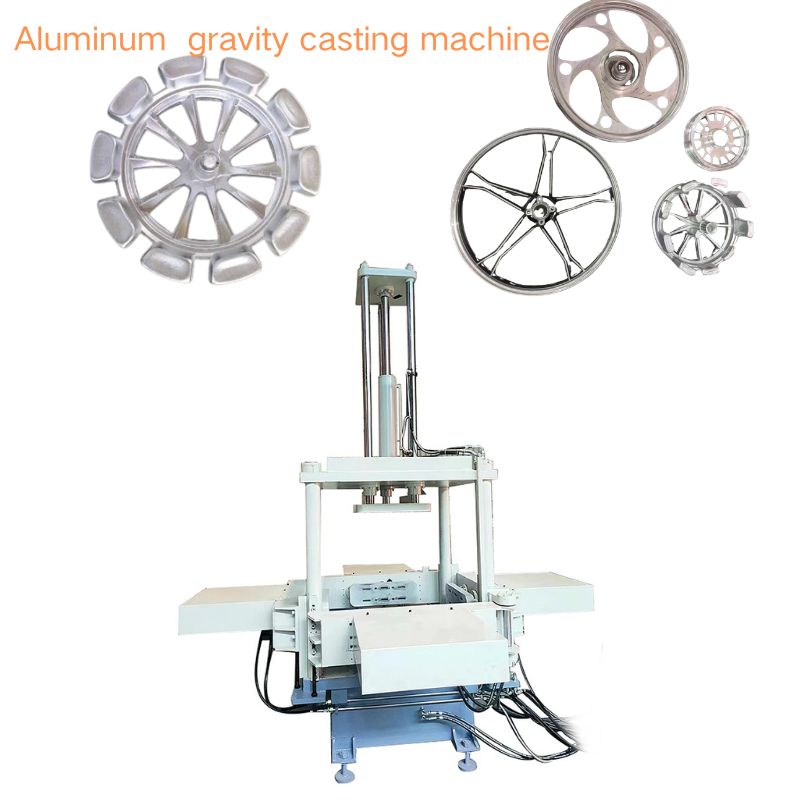
Ağırlıklı olarak yerçekimi döküm makineleri kullanan atölyeler için, kum kalıplarının gaz çıkış özellikleri ve darbe dayanımı, döküm proses parametreleriyle uyumlu olmalıdır. Bu sistem düzeyindeki hususlar, genellikle tek başına bir makinenin özelliklerinden daha fazla gerçek üretim sonuçlarını etkiler.
Çözüm
Kalıp atıcı, döküm proses zincirinin kum kalıp oluşturma aşamasında çok önemli bir rol oynar. Ürettiği ürünün kalitesi, kum kalıp aracılığıyla döküm aşamasına aktarılır ve nihayetinde bitmiş dökümün iç kalitesini etkiler. Bilinçli kararlar almak, kalıp kumunun özelliklerini, kalıp kutusu tasarımını ve yukarı ve aşağı yönlü proseslerle entegrasyonu da dikkate alarak, kalıp atıcı çözümünü kum kalıbının geometrik özelliklerine göre yapılandırmayı gerektirir.
Dökümhane ekipmanları sektöründe onlarca yıllık deneyime sahip olan Quanzhou Jingda Machinery, kalıplama, çekirdek yapımı ve döküm olmak üzere üç temel aşamada ekipman ve teknik destek sağlamaya devam etmekte ve dökümhanelerle iş birliği yaparak süreç iyileştirmesi için uygulanabilir yollar araştırmaktadır.